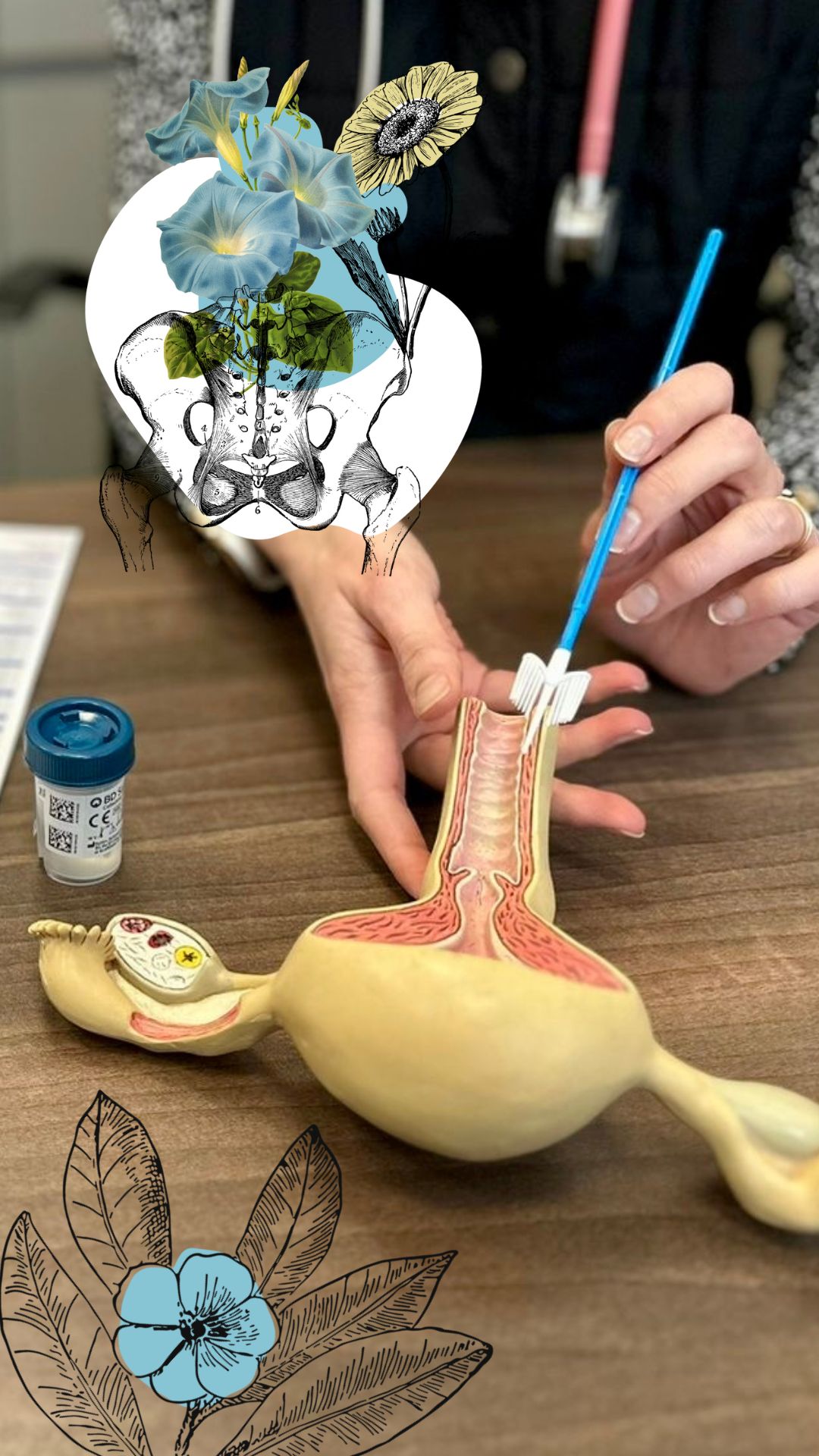
Cervical Cancer Awareness Month: What You Need to Know About HPV
Cervical Cancer Awareness Month is an important reminder that prevention, early detection, and informed healthcare choices can save lives. Cervical cancer is one of the most preventable cancers, yet it continues to affect thousands of women each year — largely because early changes often cause no symptoms.
At the centre of cervical cancer prevention is understanding HPV (Human Papillomavirus), how it is transmitted, and why regular screening is so essential.
What Is HPV?
HPV is one of the most common sexually transmitted infections worldwide. Most sexually active people will contract HPV at some point in their lives — often without ever knowing it.
There are many different strains of HPV. While many are harmless and clear on their own, certain high-risk strains are associated with cervical cell changes that may, over time, lead to cervical cancer if not detected early.
How Is HPV Transmitted?
HPV is transmitted through skin-to-skin sexual contact, not only through penetrative sex. This means it can be passed on through genital contact, oral sex, and intimate foreplay.
While condoms and latex barriers significantly reduce the risk of transmission, HPV particles are small enough to pass through microscopic gaps in latex. As a result, protection lowers risk but does not eliminate it entirely, and HPV can still be transmitted even when safer sex practices are followed.
Because HPV often causes no symptoms, many people may unknowingly carry and transmit the virus.
Why Regular Pap Smears Matter
The greatest reducer of cervical cancer morbidity and mortality is regular screening.
Pap smears detect abnormal changes in cervical cells long before they become cancerous. When identified early, these changes can be monitored or treated simply and effectively.
Most women are advised to have a Pap smear every one to three years, depending on age, medical history, and previous results. Your doctor can help determine the screening schedule that’s right for you.
Many medical aid plans cover routine Pap smears as part of preventative care. If you’re unsure of your benefits, it’s worth contacting your medical aid provider to confirm what screening services are included.
What About the HPV Vaccine?
Some patients may choose to discuss the HPV vaccine with their doctor as part of their broader cervical health plan. Your healthcare provider can help answer questions and provide guidance based on your age, health history, and personal circumstances.
Regardless of vaccination status, regular Pap smears remain essential, as screening is the most reliable way to detect cervical cell changes early.
Taking Charge of Your Cervical Health
Cervical cancer prevention is about knowledge, awareness, and action. Understanding HPV and committing to regular screening allows for early detection and timely care — often long before any symptoms appear.
Pap smears are quick, routine, and one of the most effective tools available for protecting long-term cervical health. Delaying screening can mean missing early, treatable changes.
This Cervical Cancer Awareness Month, we encourage you to prioritise your cervical health.
Book your Pap smear at one of our practices and take an important step toward early detection and prevention. Whether it’s been a year, three years, or longer than planned, now is the right time to book.
Your health matters — and prevention begins with a simple appointment.


