By ProMED
What is Ebola?
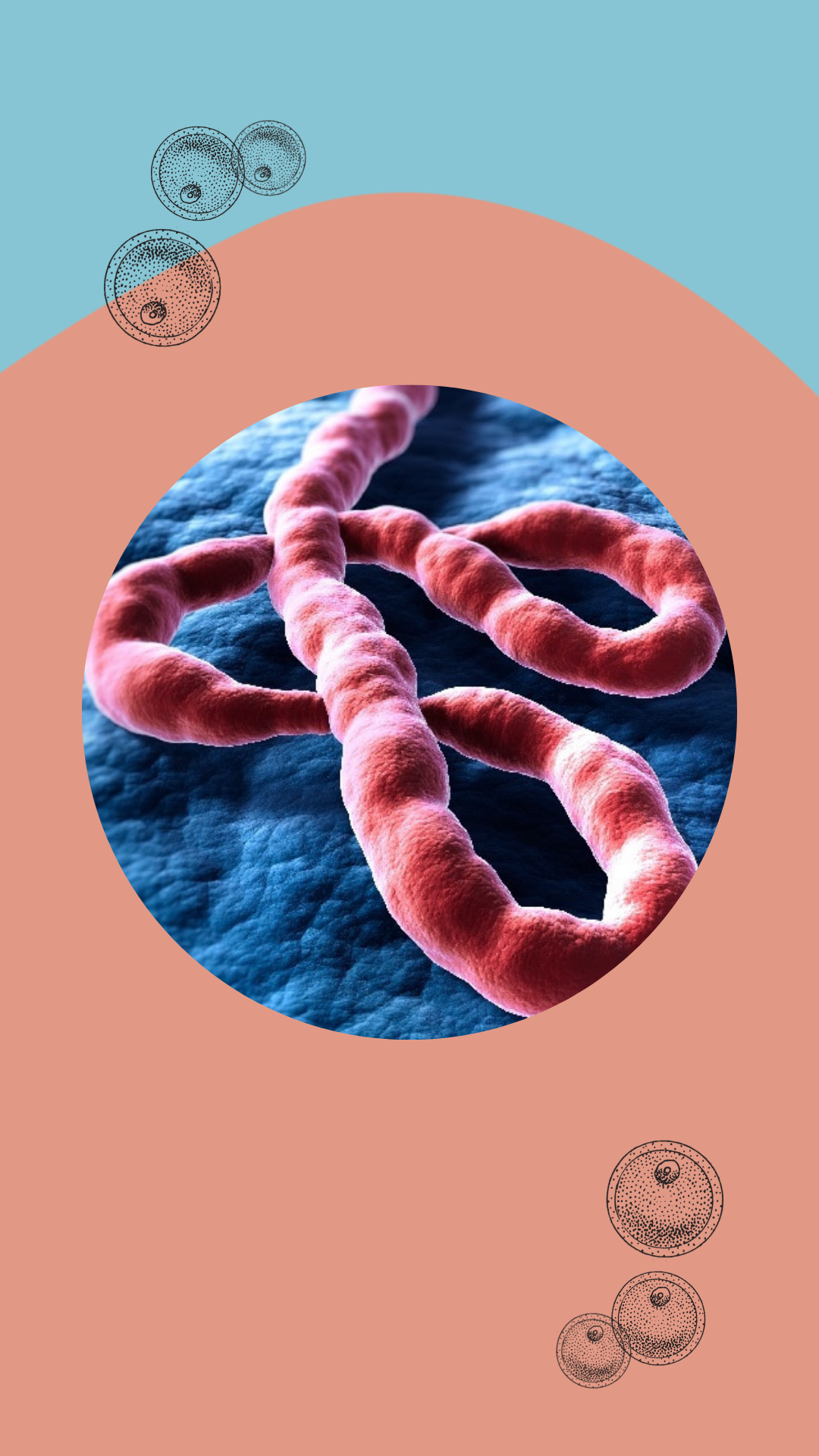
Ebola is a rare but very serious viral disease that affects humans and some animals. It is caused by the Ebola virus and can lead to severe illness, internal bleeding, organ failure, and sometimes death.
How is it spread?
Ebola spreads through direct contact with:
- Blood or body fluids of an infected person
- Contaminated objects, such as needles
- Infected animals, particularly certain wildlife
It is not spread through the air like a cold or flu.
Common symptoms
Symptoms usually appear 2 to 21 days after exposure and may include:
- Fever
- Severe headache
- Muscle pain
- Weakness and fatigue
- Vomiting and diarrhoea
- Stomach pain
- In some cases, unexplained bleeding or bruising
Can it be treated?
Yes. Early medical care greatly improves a person’s chances of survival. There are approved treatments and vaccines available for some types of Ebola.
Health authorities in the Democratic Republic of Congo (DRC) have reported a record one-day increase in Ebola cases since the current outbreak was first detected one month ago. On 13 June 2026, the DRC Ministry of Health confirmed 72 new Ebola cases, bringing the total number of cases to 782. An additional 29 deaths were recorded, raising the outbreak’s death toll to 181.
The majority of cases remain concentrated in three northeastern provinces: Ituri, North Kivu and South Kivu. However, the outbreak continues to expand, with two new health zones reporting cases for the first time. This brings the total number of affected health zones to 31.
For travellers, this serves as an important reminder before embarking on international travel. Understanding your destination’s current health risks, reviewing travel advisories, and considering transit routes can help you make informed decisions and reduce your risk of exposure to infectious diseases.
Health officials remain concerned about contact tracing efforts, with only 56.5% of identified contacts currently being monitored. This is well below the 90–95% target generally required to contain an Ebola outbreak effectively. Community hesitancy, shortages of essential medicines, and limited infection-control resources are further complicating response efforts.
The outbreak is also affecting neighbouring countries. Uganda has reported 19 confirmed cases and two deaths, with many cases linked to cross-border transmission from the DRC.
United Nations agencies have warned that children could become increasingly vulnerable as the outbreak evolves. While most infections have so far occurred in adults, health experts caution that increasing household transmission may result in more children becoming infected in the weeks ahead.
Remember: before travelling, consider whether your destination or transit route is experiencing an active outbreak. Review current health advisories, understand local risks, ensure you have appropriate travel insurance and medical support plans in place, and seek professional travel health advice where necessary. Staying informed is one of the most effective ways to protect your health while travelling.


