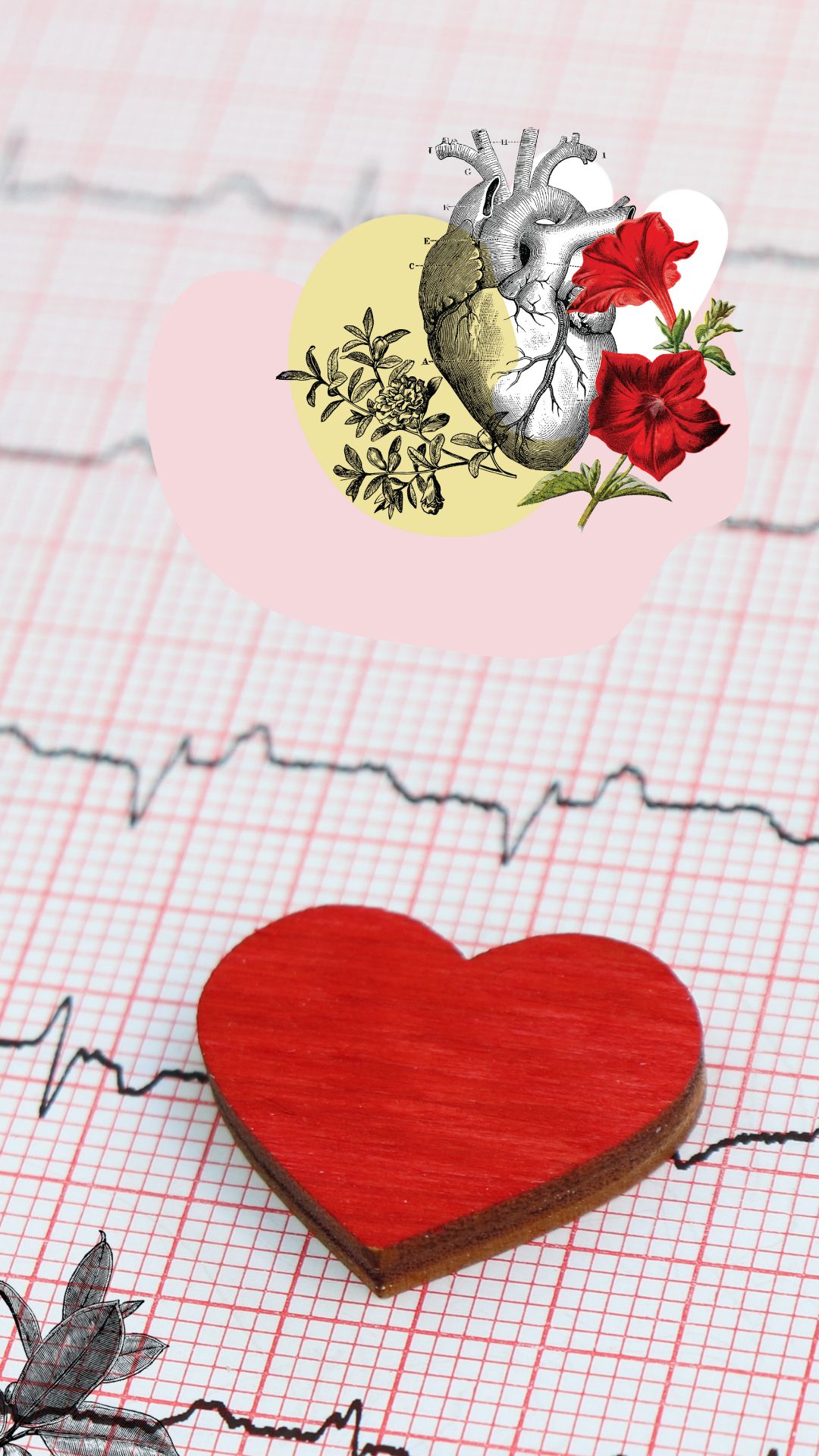
Humans have attributed the heart with power for as long as we have a record of our storytelling in the written word. From the dawn of human civilization, the heart has been revered as more than a life affirming and vital organ—ancient peoples across cultures saw it as the seat of life, intelligence, emotions, and the soul. Prehistoric cave paintings marked it as the essence of survival, while Mesopotamians offered it in sacrifice to gods, and Chinese, Egyptian, and Indian traditions tied it to intelligence, balance, morality, and the divine. In Egypt, the heart was weighed against truth in the afterlife; in India it was the dwelling of the self; in Greece it was the source of passion, love, and even the soul itself, though philosophers like Alcmaeon challenged this view by placing the mind in the brain. Aristotle and Galen later reinforced the heart’s primacy, describing it as the centre of life and spirit, beliefs that dominated through the Dark Ages. In Mesoamerican civilizations, hearts were sacrificed to sustain the gods, while in Abrahamic traditions the heart became the spiritual bridge to God. Across millennia, whether seen as a vessel of love, morality, vitality, or divine presence, the heart remained central to humanity’s attempt to understand life and meaning.
There is a sacred geometry in the embryological folding and twisting of the heart in the 9th week of gestation. What starts as a simple tube that twists and turns and opens to itself is nothing short of a miraculous anatomical sculptural feat. The flow of blood through this structure changes at birth as the infant shifts from placental perfusion to its own system for oxygenation. The ductus arteriosis constricts and closes and another little door between two chambers called the foramen ovale, which allows blood to bypass the lungs in utero.
Together, these changes separate the pulmonary and systemic circulations, establishing the normal adult pattern where the right heart pumps to the lungs and the left heart pumps to the body. This delicate and articulate opening and closing of doors resonates so deeply with the Traditional Chinese Medicine mythology that the heart is the emperor organ, setting the rhythm and cadence for life flow. The relationship between the lungs and the heart system marry the elements of air and earth. Earth is embodied by blood flow, and dependent on the mineral iron – which we derive from the soil in which our food grows.
Whichever way you look at this system, it is a mirror of so many of the elements of the natural world. It has its entrances and exits, and one man in his time plays many parts. In heart opening meditation practice, imaging the lotus blooming in the centre of your chest, you can’t help but feel invigorated by the flow of energy through your chest as you pull your scapular towards one another and lift your heart centre outwards and upwards.
The cadence of your heart rhythm is a clear metric for evaluating fitness and cardiovascular health. A normal heart rate is between 60 and 80 beats a minute. The fitter a person is, the slower their heart rate and the higher their heart rate variability. Your heart rate and rhythm is a telling vital sign that gives a physician so much insight into your state of mind and health.
In honour of this vital organ, here are some steps you can take towards improving your heart health:
- Get 10k steps a day
- Get your heart rate up for at least 30 minutes a day through intense exercise to reduce your overall mortality and reduce the risk of all disease.
- Make sure you are well hydrated with water, energising the flow of this system.
- Get enough sleep and have a sleep study if you snore very loudly – sleep apnoea is a big driver of cardiovascular disease and cardiac events.
- Check your fasting insulin, homocysteine, uric acid, lipogram and apolipoprotein b to assess your cardiovascular risk with your treating doctor.
- Avoid alcohol and refined, sugary foods to reduce inflammation and keep the lining of your vessels clear and smooth.
- Check your blood pressure every 6 – 12 months, depending on your risk profile.


