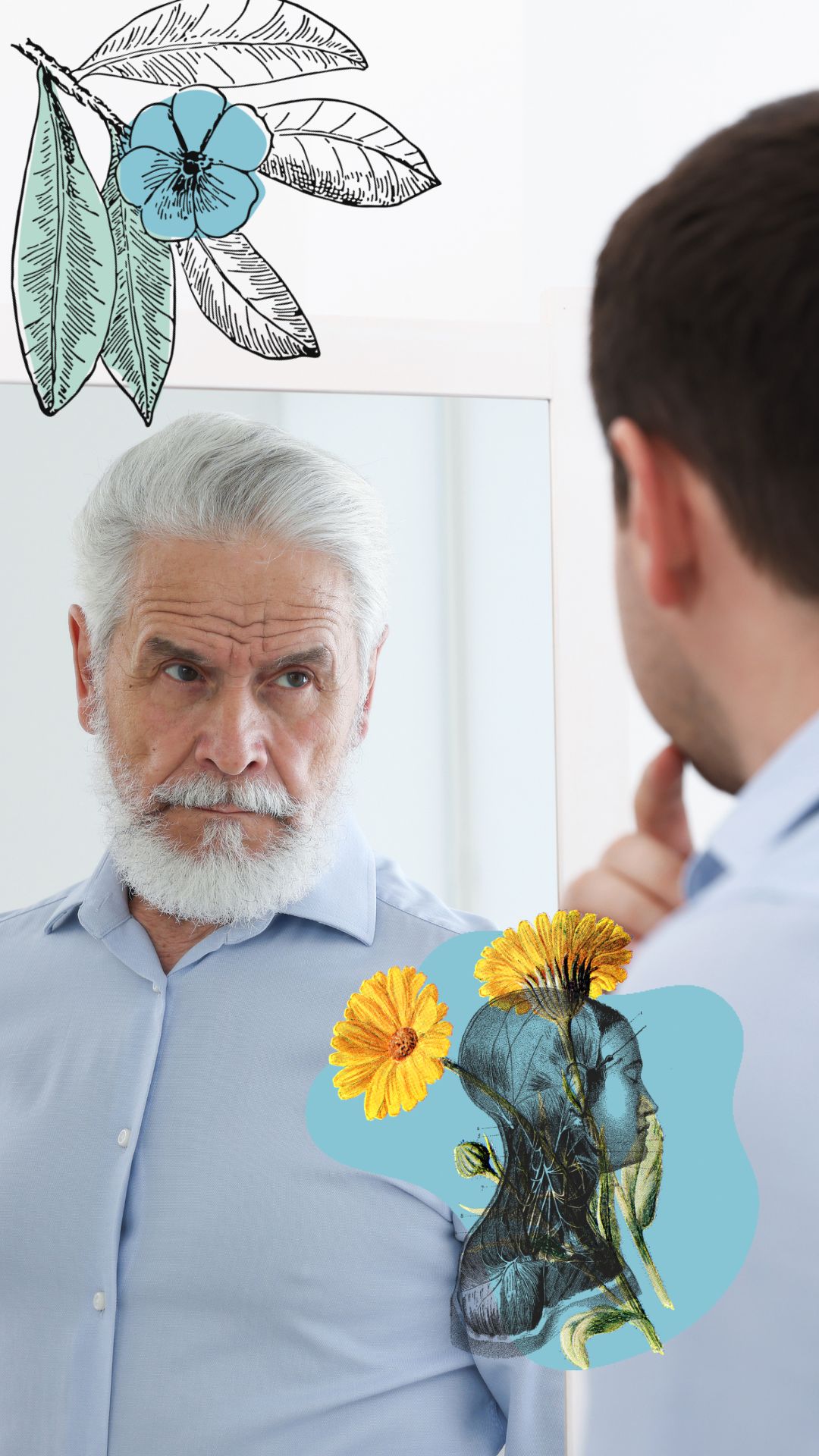
My monthly reflections are repeatedly grounded in paradox, please forgive me for yet another. We spend so much of our lives carrying versions of ourselves that no longer exist, while remaining strangely disconnected from the person we are becoming.
Some wonderful new research in psychology and neuroscience using fMRI studies reveals how many of us think about our future selves. Brain imaging when imagining your present self versus your future self can be compared to the brain imaging of imagining a friend versus a stranger. Hal Hershfield and colleagues found that neural activity reflects a degree of separation between present and future self, and the greater that separation or dissonance, the more likely we are to sacrifice future wellbeing for present ease and comfort. (OUP Academic)
This finding has profound implications for the way that we think about past traumas. Much of our healing involves turning compassionately toward younger versions of ourselves who endured pain, neglect, fear, or loss. We learn to witness and hold space for those wounded parts with tenderness and understanding. I wonder whether we sometimes become so committed to revisiting the past that we neglect our relationship with the future.
The traumatised self often remains vividly alive within us. The nervous system remembers and replays. Our minds repeatedly circle familiar stories, seeking resolution. Meanwhile, our future selves are shadows rather than vivid aspirations. We can become deeply attached to who we were while remaining only loosely acquainted with who we might become.
The task is not to abandon the past self, but to gently release our exclusive identification with it. Jung wrote of individuation as a movement toward wholeness, a gradual unfolding into the person we are capable of becoming. The Self, in Jungian thought, is not merely the wounded child within us but also the latent possibility ahead of us. Healing may require a shift in orientation: from endlessly excavating the past to consciously cultivating a relationship with the future.
The Present Moment Becomes the Fulcrum
From this point of leverage, every choice becomes an act of authorship. The way we move today shapes the body we will inhabit tomorrow. The way we think today shapes the mind we will carry into older age. The way we eat, rest, connect, and respond to adversity becomes a conversation with a future self who is waiting for us.
I often speak about embodiment as a way of stepping out of the mind and into the body for relief. There is another truth that sits alongside this. Sometimes healing requires going somewhere new in the mind. Imagination is not merely an escape from a painful or difficult reality; it is a rehearsal for possibility.
I enjoyed this thought experiment; a practice of visualising who I will be in 20 or 30 or 40 years should I be blessed with old ladyship, the queendom of being a grandparent or a wiser elder of the land! Imagine the depths that another 40 years might unearth, something wonderful to dream up!
Picture yourself ten or twenty years from now. Notice your posture, your energy, your wisdom. Ask your future self, what habits strengthened you, what beliefs sustained you, and what burdens you chose to put down. Now, imagine placing a gentle hand on the shoulder of your younger self, thanking them for carrying you this far and reaching out with the other hand to embrace your future unfolding with a deep enveloping hug.


